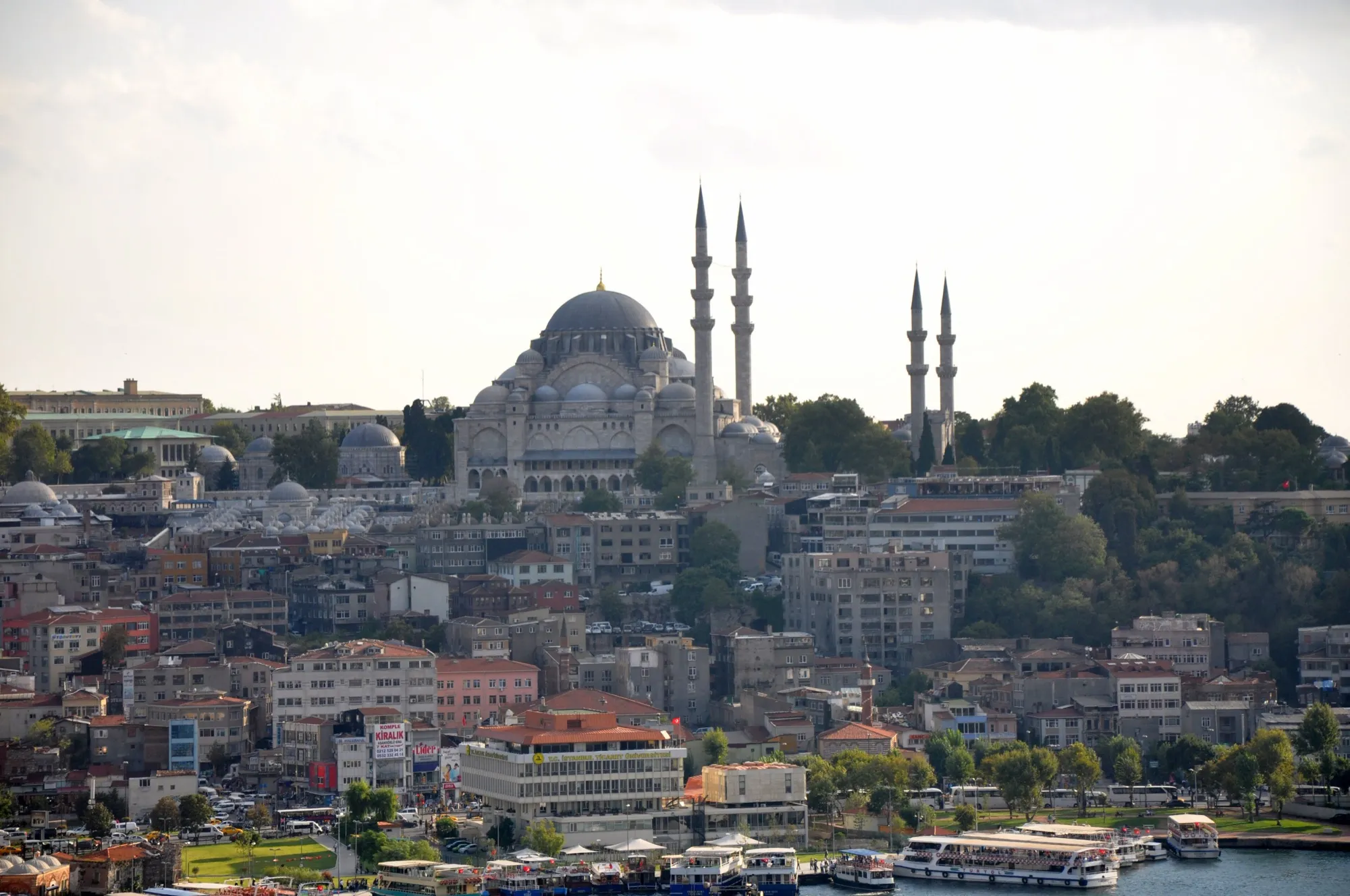
 Photo: Tarikkaanmuslu / Wikimedia Commons, CC BY-SA 4.0
Best time to visit
April–May and September–November
Ideal stay
4–5 days
Region
Marmara
Hand-picked places
12
About Istanbul
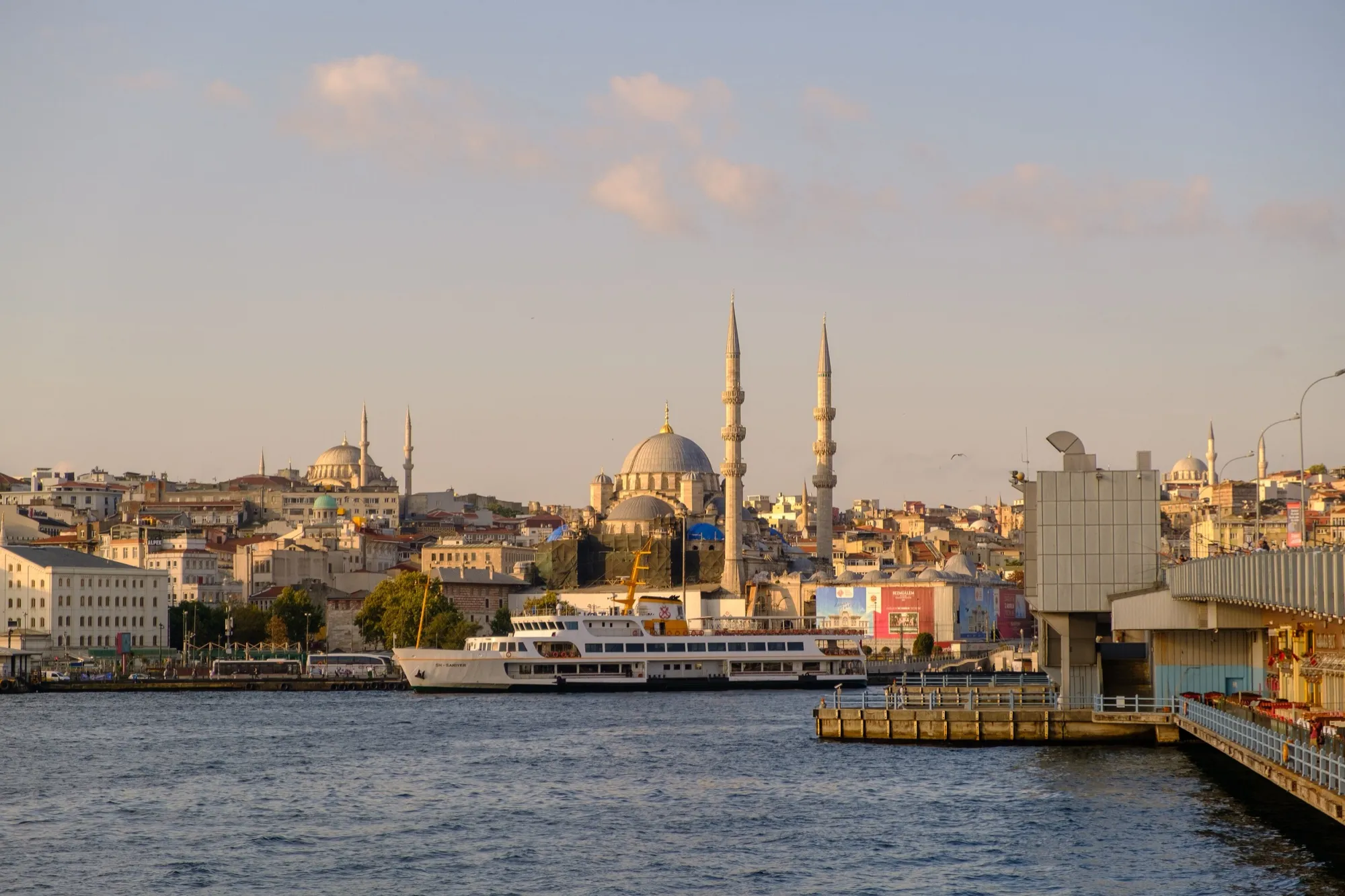
Istanbul has been an imperial capital for some sixteen centuries, first as Byzantine Constantinople and then as the seat of the Ottoman sultans, and it wears that history openly. The domes and minarets of the old city rise above the Golden Horn, the Bosphorus divides Europe from Asia, and ferries criss-cross the water all day long. It is a huge, busy, sometimes exhausting city of more than fifteen million people, and also one of the most rewarding places to explore on foot.
Most first-time visitors base themselves in or near Sultanahmet, where Hagia Sophia, the Blue Mosque, Topkapı Palace and the Basilica Cistern sit within a few minutes' walk of each other. Go early in the day to beat the tour groups, and remember that mosques close to visitors during prayer times. Just uphill, the Grand Bazaar and the Süleymaniye Mosque reward a slower pace.
Across the Galata Bridge, Beyoğlu is the city's nineteenth-century European quarter: Galata Tower, the long pedestrian sweep of İstiklal Avenue, grand old hotels and back-street meyhanes where rakı and meze stretch late into the night. Karaköy, at the bottom of the hill, mixes old shipping offices with cafés and some of the city's best restaurants.
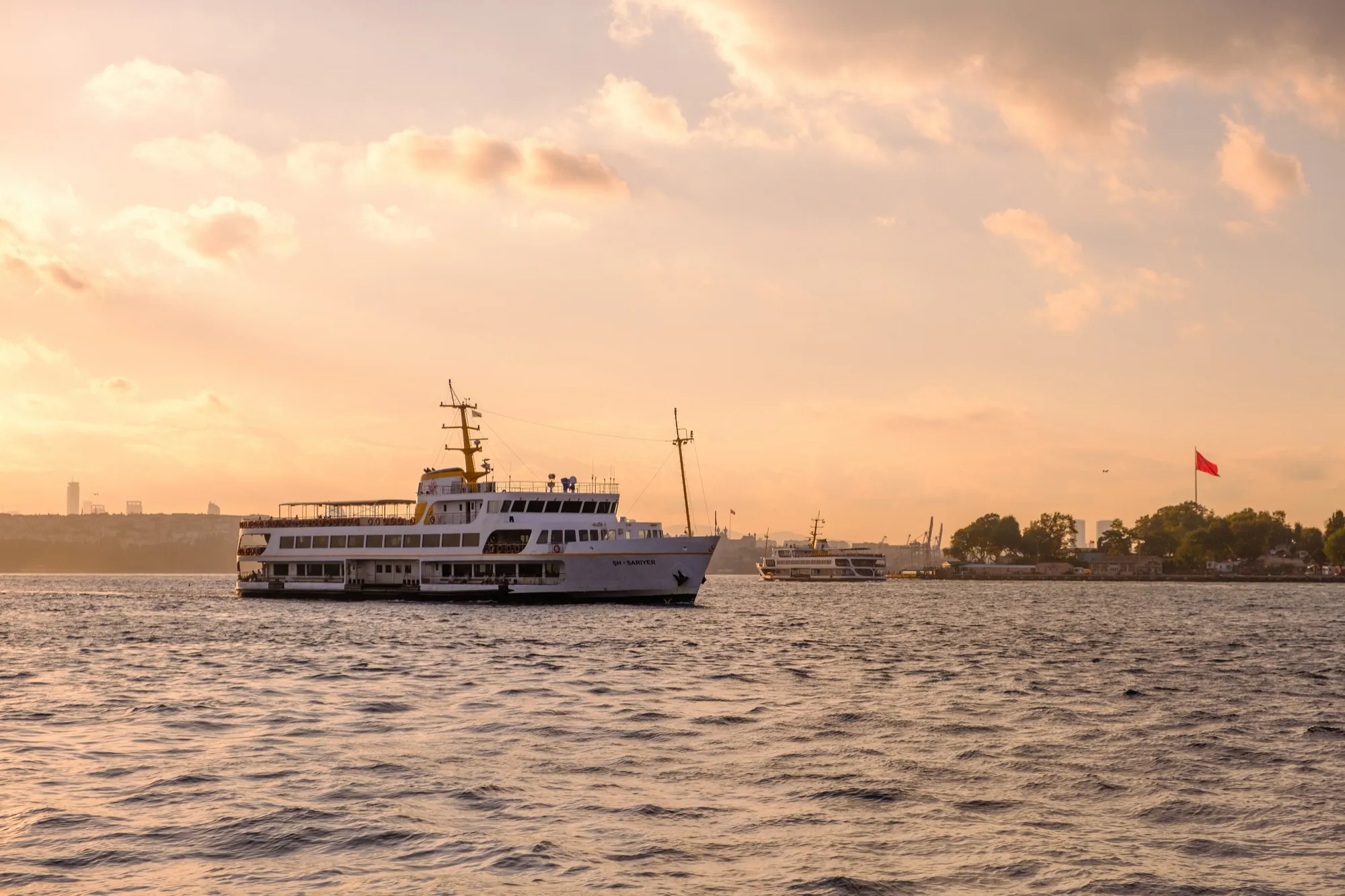
Do not leave without crossing to the Asian side. The ferry to Kadıköy takes around twenty minutes, costs very little and gives one of the finest views of the skyline. On the other side, Kadıköy's food market and side streets show the everyday city that many visitors never see.
12 hand-picked places
SightsEminönü Pier, Fatih· ₺
Bosphorus Ferry Ride
The cheapest and most memorable way to see Istanbul is from the deck of a public ferry. Şehir Hatları, the city-run ferry company, sails from Eminönü and Karaköy to Kadıköy and Üsküdar on the Asian side in around twenty minutes, passing the old city skyline, the mouth of the Golden Horn and the Maiden's Tower. Pay with an Istanbulkart, buy a glass of tea on board and find a seat outside. For a longer trip, Şehir Hatları also runs Bosphorus tour boats from Eminönü that sail past Ottoman palaces, waterside mansions and the Bosphorus bridges; the full tour goes as far as Anadolu Kavağı near the Black Sea. Check the current timetable on the official website.
SightsSultanahmet, Fatih· ₺₺₺
Hagia Sophia
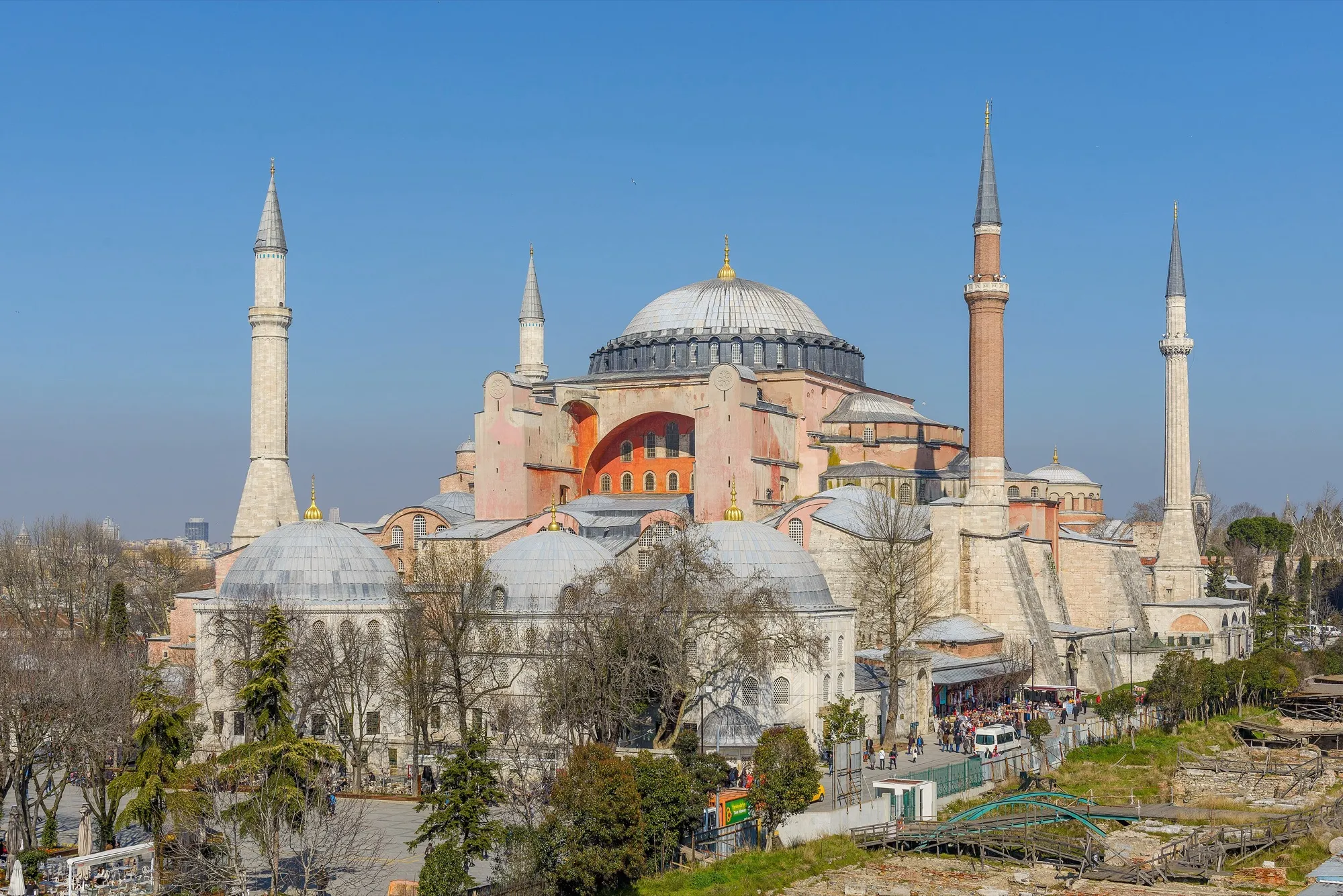
Completed in 537 under the emperor Justinian, Hagia Sophia was the largest church in Christendom for almost a thousand years. After the Ottoman conquest in 1453 it became a mosque, in the 1930s a museum, and in 2020 a mosque once more. Under the vast, seemingly floating dome, Byzantine mosaics, giant Islamic calligraphy roundels and marble columns taken from older temples share the same space. Today the ground floor is reserved for worship, while foreign visitors pay an entrance fee and follow a route through the upper galleries, which hold the finest surviving mosaics. It closes to visitors during prayer times, especially at Friday midday prayers. Dress modestly (women need a headscarf) and arrive at opening time to avoid the longest queues.
 Museums & ruins
Cankurtaran, Fatih· ₺₺₺
Topkapı Palace
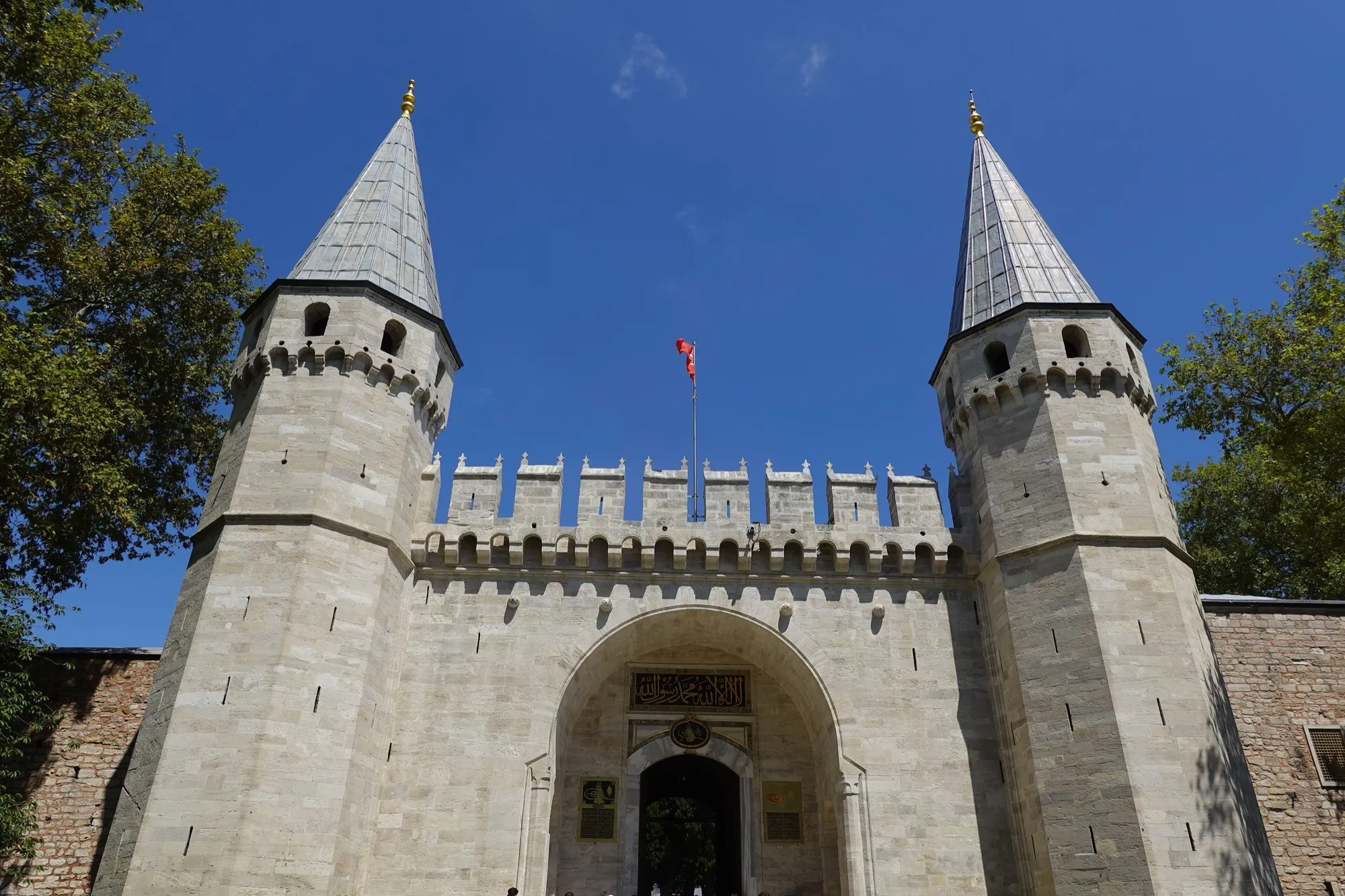
For roughly four centuries, from the reign of Mehmed II until the court moved to Dolmabahçe in the 1850s, Topkapı Palace was the heart of the Ottoman Empire. Rather than one building, it is a series of courtyards, pavilions and gardens on the tip of the historic peninsula, with views over the Bosphorus and the Sea of Marmara. Highlights include the Imperial Treasury, the collection of sacred relics, the palace kitchens and the tiled rooms of the Harem. Allow at least half a day and arrive at opening time, as the Treasury and Harem draw long queues. The palace is closed on Tuesdays. Through the outer gate, the first courtyard also gives access to the Byzantine church of Hagia Irene.
 Museums & ruins
Sultanahmet, Fatih· ₺₺₺
Basilica Cistern
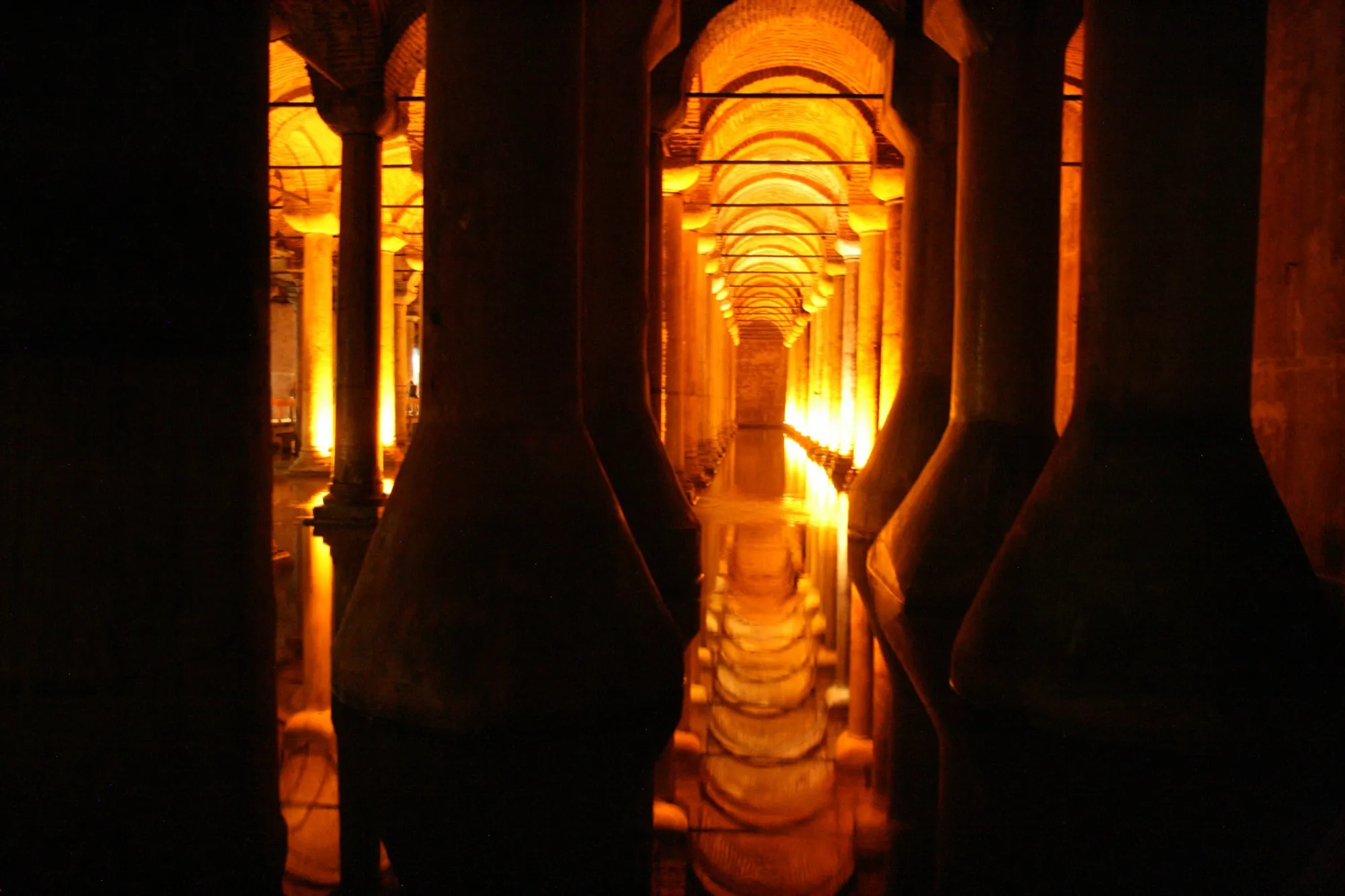
This vast underground reservoir was built in the sixth century under Justinian to store water for the Great Palace and the surrounding city. A forest of 336 marble columns, many recycled from older buildings, rises from shallow water under brick vaults, and two Medusa heads, one on its side and one upside down, serve as column bases in the far corner. Following a major restoration, the cistern now has walkways, atmospheric lighting and occasional contemporary art installations. It is cool and damp inside, a welcome escape on a hot day, and only a short walk from Hagia Sophia. Queues build quickly by late morning, so come early.
 Sights
Galata, Beyoğlu· ₺₺₺
Galata Tower
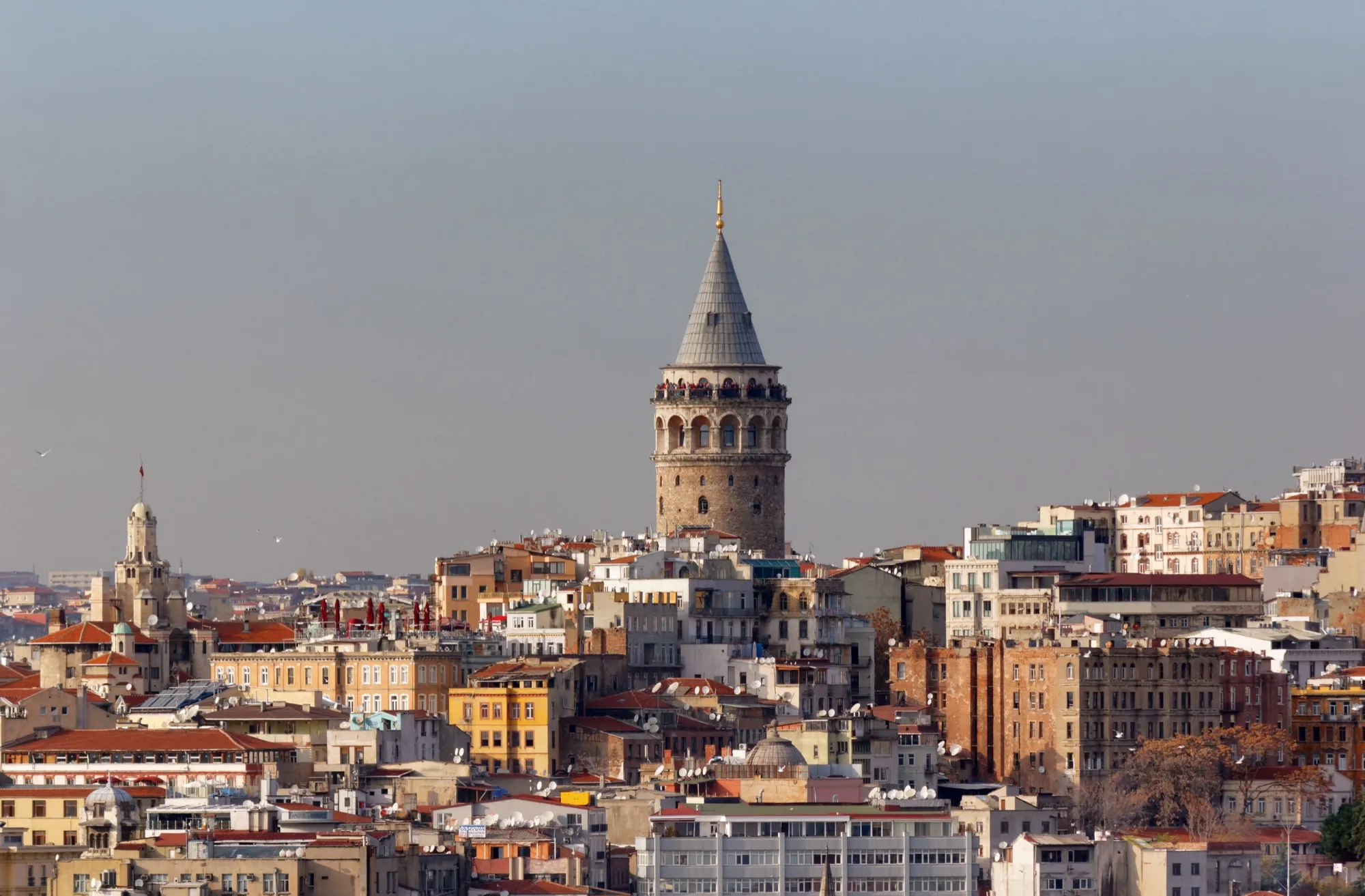
The stone cone of Galata Tower has dominated the skyline north of the Golden Horn since the Genoese built it in 1348 as part of the walls of their trading colony. It later served as a lookout and fire watchtower, and it remains the defining landmark of Beyoğlu. A lift and a final flight of stairs lead to a narrow outdoor balcony with a panorama over the old city, the Bosphorus and the Asian shore. The balcony is small and queues can be long, particularly around sunset, so go at opening time or late in the evening. The cobbled lanes around the tower, full of cafés and music shops, are worth exploring either way, and the walk down to Karaköy takes ten minutes.
 Shopping
Beyazıt, Fatih
Grand Bazaar
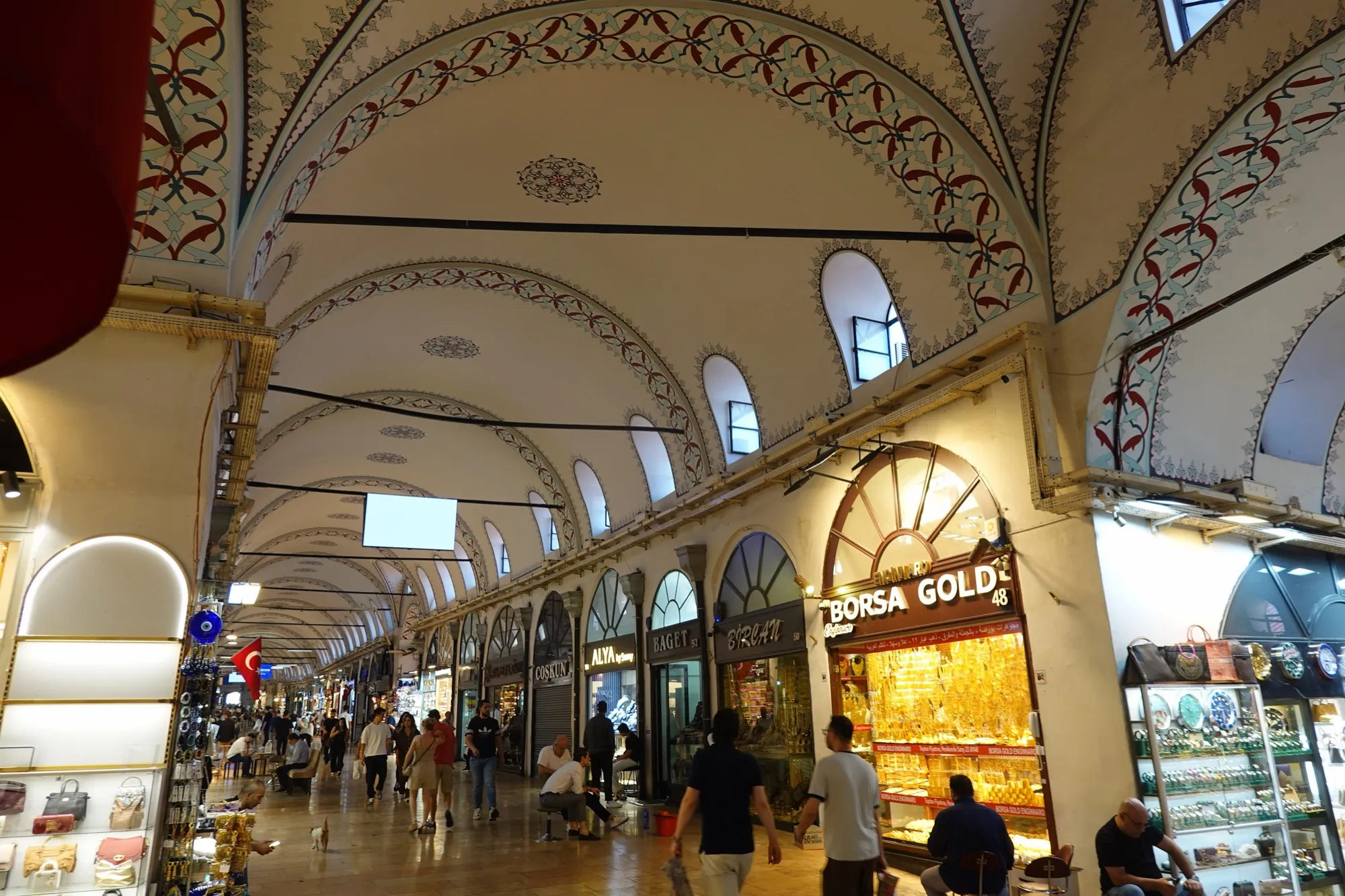
Begun soon after the Ottoman conquest in the 1450s, the Grand Bazaar is one of the oldest and largest covered markets in the world: a maze of vaulted lanes, old caravanserais (hans) and thousands of shops selling carpets, jewellery, ceramics, lamps, leather and textiles. The main streets can feel touristy, but the side lanes and hans still house working craftsmen and wholesalers. Bargaining is normal for carpets and souvenirs; take your time, compare prices and never feel obliged to buy after a glass of tea. The bazaar is closed on Sundays and religious holidays. Combine it with a walk downhill through the busy shopping streets of Mahmutpaşa to the Spice Bazaar.
 Food & drink
Güneşlibahçe Sokak, Caferağa, Kadıköy· ₺
Kadıköy Market
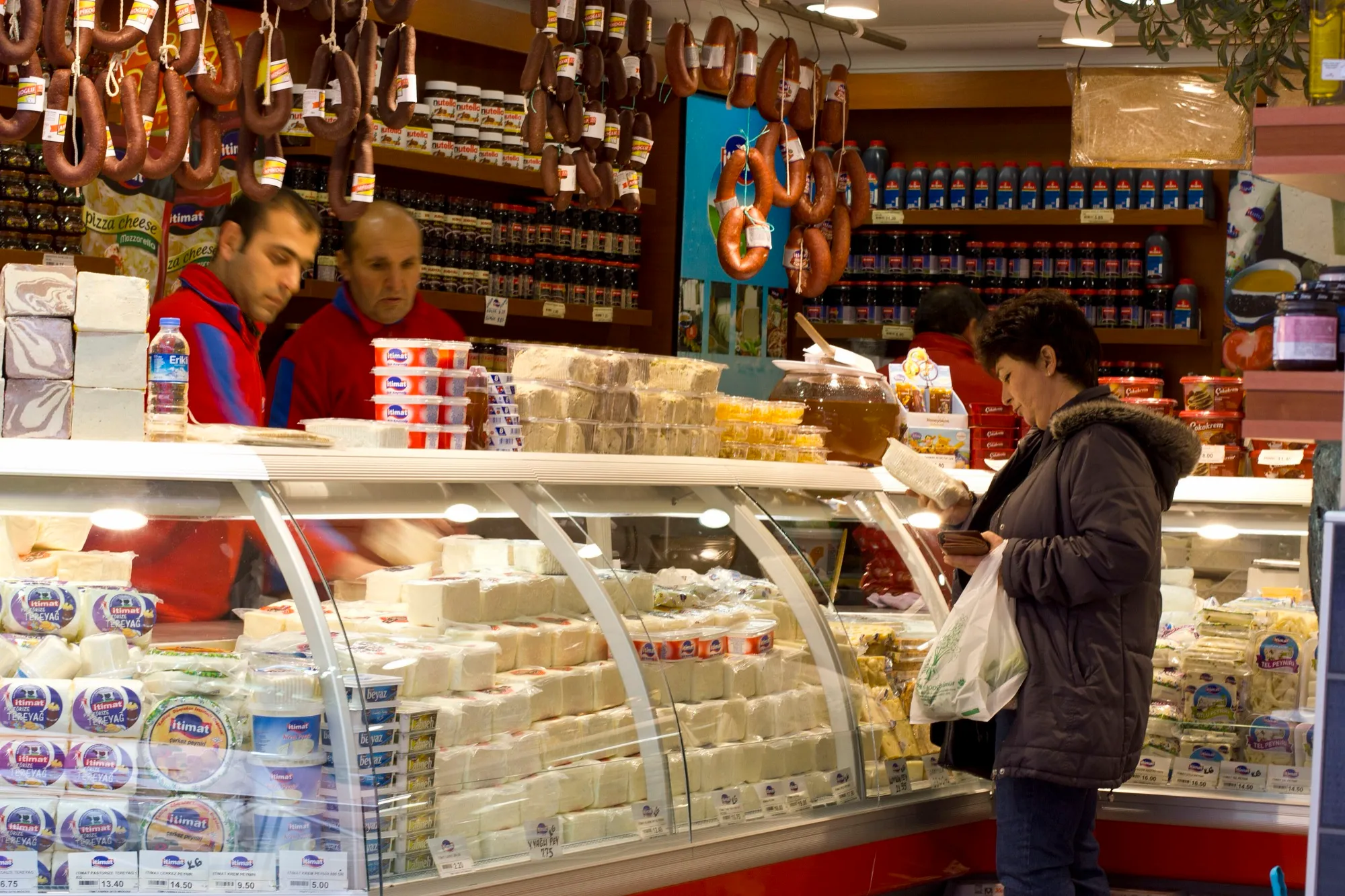
A few minutes' walk from the Kadıköy ferry pier on the Asian side, the market streets around Güneşlibahçe Sokak are where Istanbul does its everyday food shopping. Fishmongers display the day's catch, delis sell olives, cheeses, pickles and cured meats, and bakeries, coffee roasters and sweet shops fill the gaps. It is lively, local and a good place to graze. Come hungry and around lunchtime. Çiya Sofrası, on Güneşlibahçe Sokak, is the best-known restaurant here, serving regional Anatolian dishes rarely found elsewhere in the city. Afterwards, wander the surrounding streets of Moda and Bahariye for cafés, bookshops and bars.
 Food & drink
Kemankeş Caddesi, Karaköy, Beyoğlu· ₺₺₺
Karaköy Lokantası
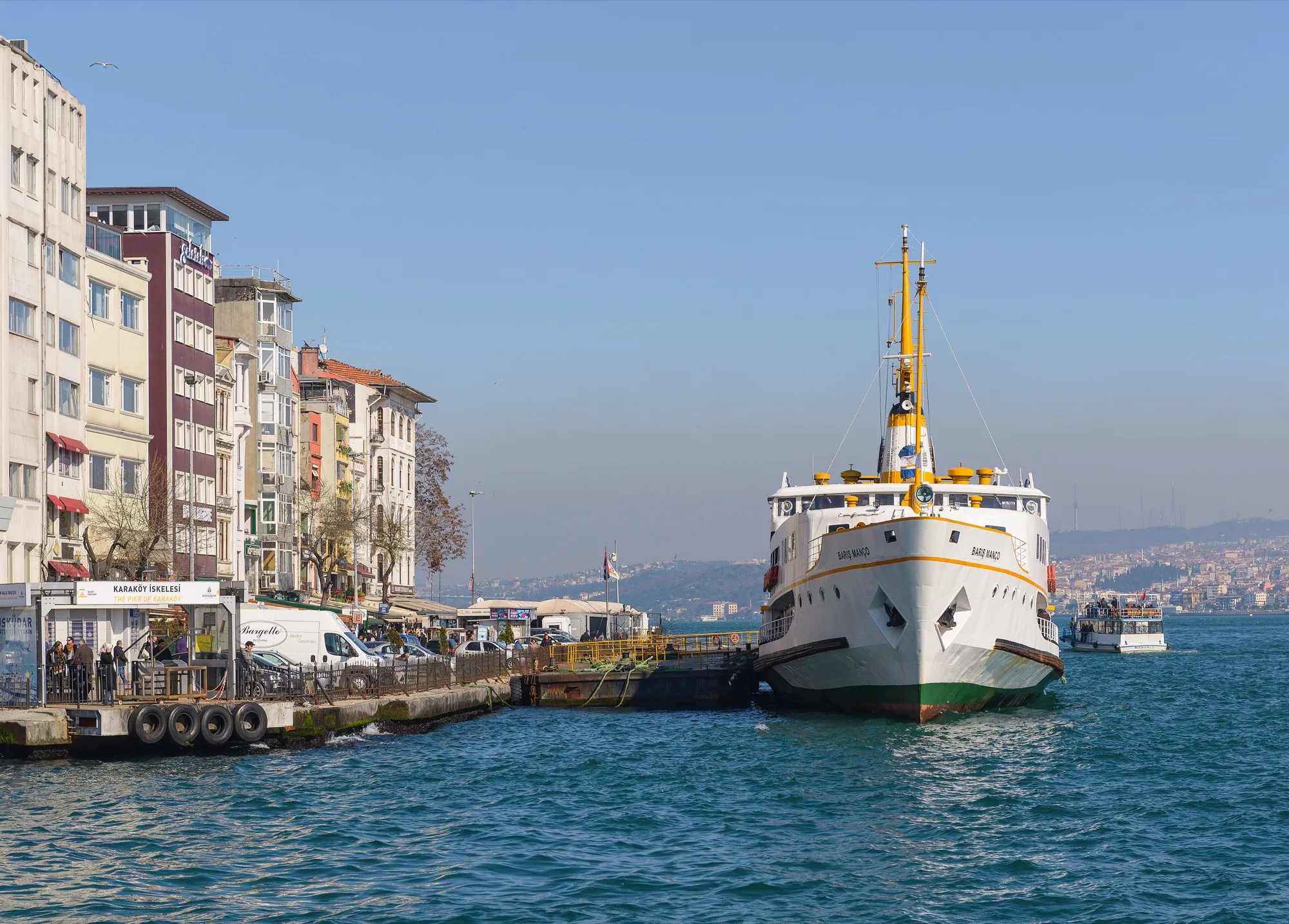
Behind the turquoise-tiled interior on Kemankeş Caddesi, a short walk from the Karaköy ferry pier, Karaköy Lokantası serves some of the best traditional Turkish cooking in the city. At lunchtime it works like a classic lokanta, with home-style dishes such as stews, stuffed vegetables and soups; in the evening it becomes a meyhane, with cold and hot mezes, grilled fish and rakı. It is listed in the Michelin Guide and popular with locals as much as visitors. Dinner is busy almost every night, so book ahead by phone; lunch is easier to walk into. Ask what is in season, and save room for the desserts.
 Nightlife
Galatasaray, Beyoğlu· ₺₺
Nevizade Street
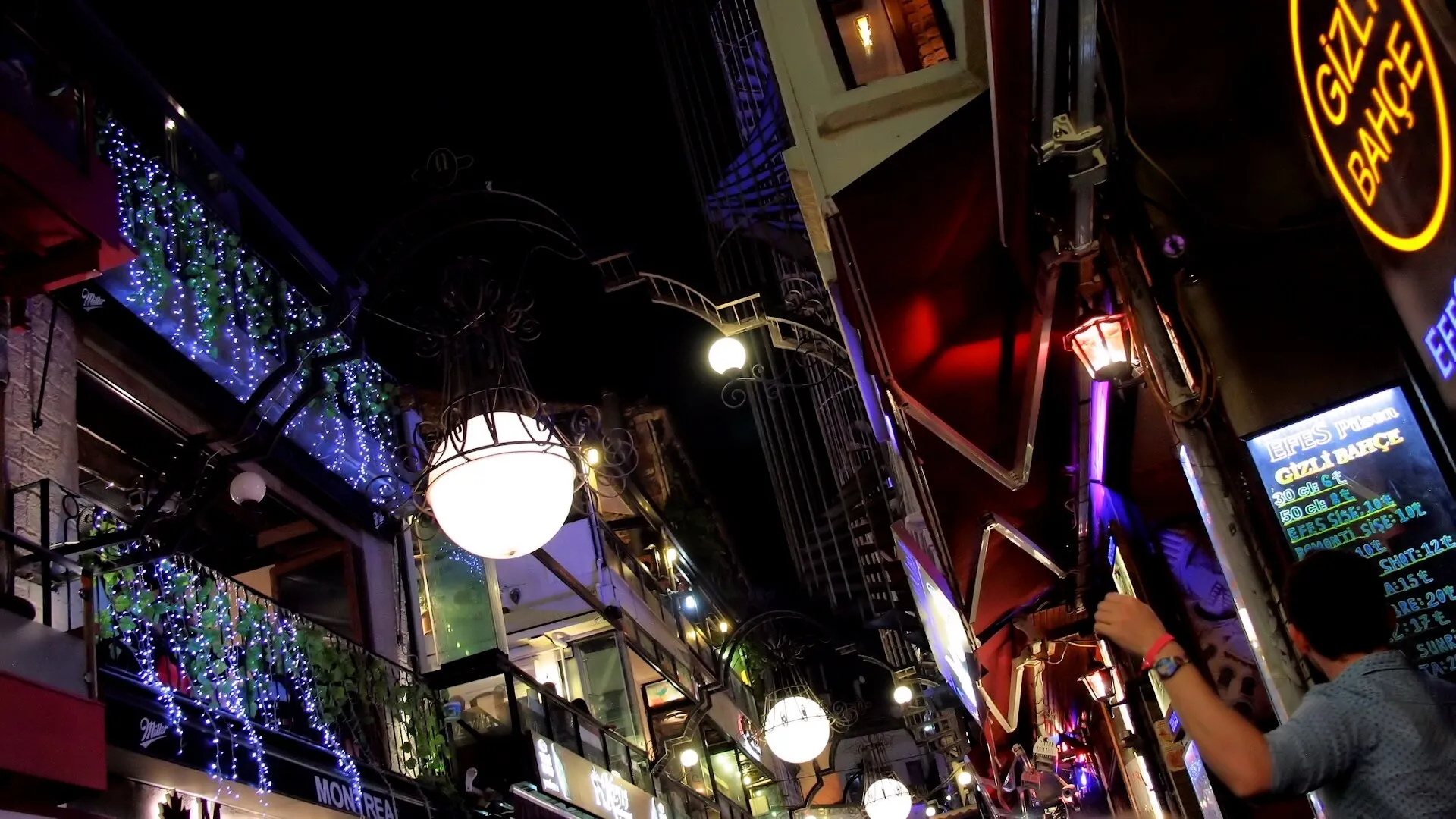
Tucked behind the Balık Pazarı fish market just off İstiklal Avenue near Galatasaray, Nevizade is a narrow lane lined with meyhanes, the traditional taverns where an evening means a long succession of cold and hot mezes, grilled fish and plenty of rakı. On warm nights the tables spill out into the street and the place hums until late, with wandering musicians moving from table to table. It is busiest on Friday and Saturday nights, when booking or arriving early helps. Ask for the menu and prices before ordering, as meze trays are brought round and small plates add up quickly. The surrounding streets have plenty of bars for a drink afterwards.
 Where to stay
Meşrutiyet Caddesi, Tepebaşı, Beyoğlu· ₺₺₺₺
Pera Palace Hotel
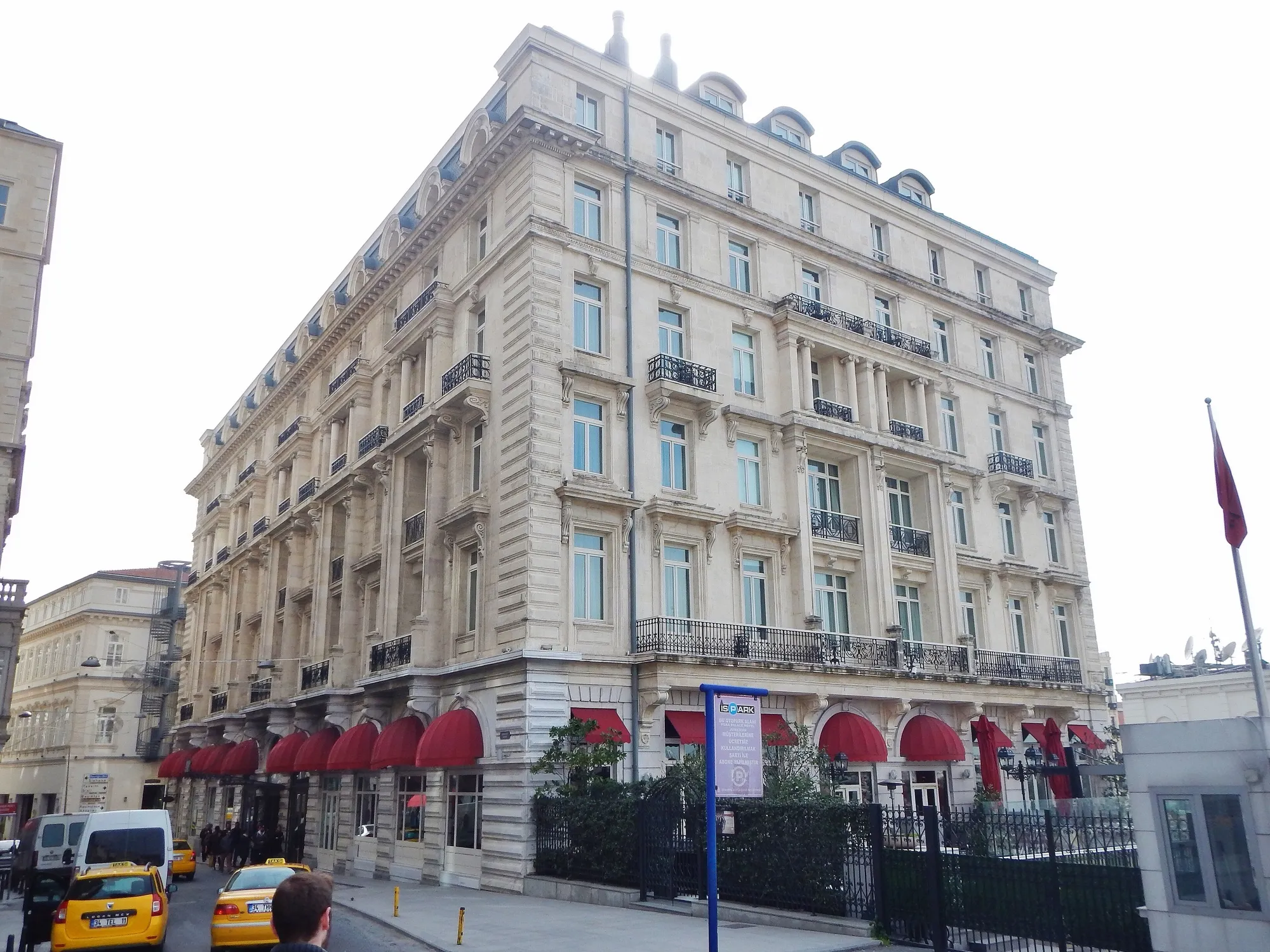
Opened in the 1890s to house passengers arriving on the Orient Express, the Pera Palace is Istanbul's most storied hotel. Agatha Christie, Ernest Hemingway and Greta Garbo stayed here, and the room used by Atatürk is preserved as a small museum. A thorough restoration has kept the belle époque lobby, the original wrought-iron lift and the domed Kubbeli Saloon while bringing the rooms up to modern standards. The location in Tepebaşı is ideal for Beyoğlu, a short walk from İstiklal Avenue and Galata. Even if you are not staying, afternoon tea in the Kubbeli Saloon or a drink in the Orient Bar is a pleasant way to see the interiors.
 Shopping
Eminönü, Fatih
Spice Bazaar
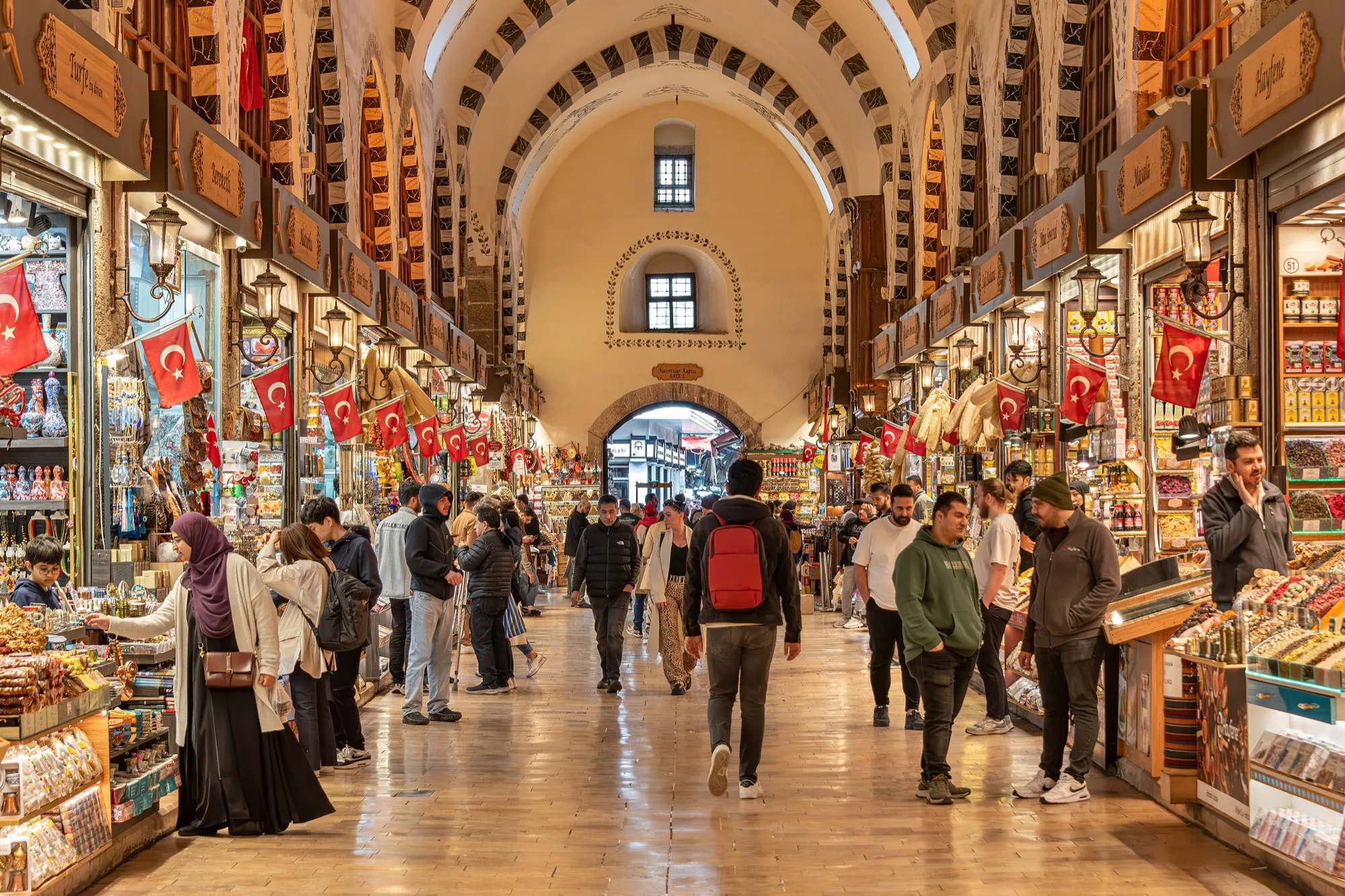
Also known as the Egyptian Bazaar, this L-shaped covered market was built in the 1660s as part of the New Mosque complex at Eminönü, and its rents helped fund the mosque. Under the vaulted ceilings, stalls are piled with spices, dried fruit, nuts, Turkish delight, teas and caviar, with plenty of souvenir shops in between. Prices in the main hall are aimed at visitors; the streets outside, especially around the fish and cheese shops on the western side, are where locals shop. Follow the smell of roasting coffee to the famous coffee merchant behind the bazaar, and look into the small, tile-covered Rüstem Pasha Mosque a few minutes' walk away.
 Sights
Süleymaniye, Fatih
Süleymaniye Mosque
Built between 1550 and 1557 for Süleyman the Magnificent, the Süleymaniye is the masterpiece of the great Ottoman architect Mimar Sinan and crowns the third of the old city's hills. The prayer hall is calm, bright and beautifully proportioned, and the wider complex once included schools, a hospital, baths and soup kitchens. Süleyman and his wife Hürrem Sultan are buried in tombs in the garden, and Sinan's own modest tomb stands just outside the walls. Entry is free; dress modestly and avoid prayer times. The terrace behind the mosque has one of the best views of the Golden Horn and Galata, and the bean-stew restaurants opposite the mosque are a local lunchtime tradition.