Skip to content
Best Places in Türkiye

Press Esc to close

SightsEditor’s pick

Gümüşlük

Bodrum· Gümüşlük, Bodrum

Get directions
Gümüşlük, BodrumPhoto: Byekush / Wikimedia Commons, CC0

About

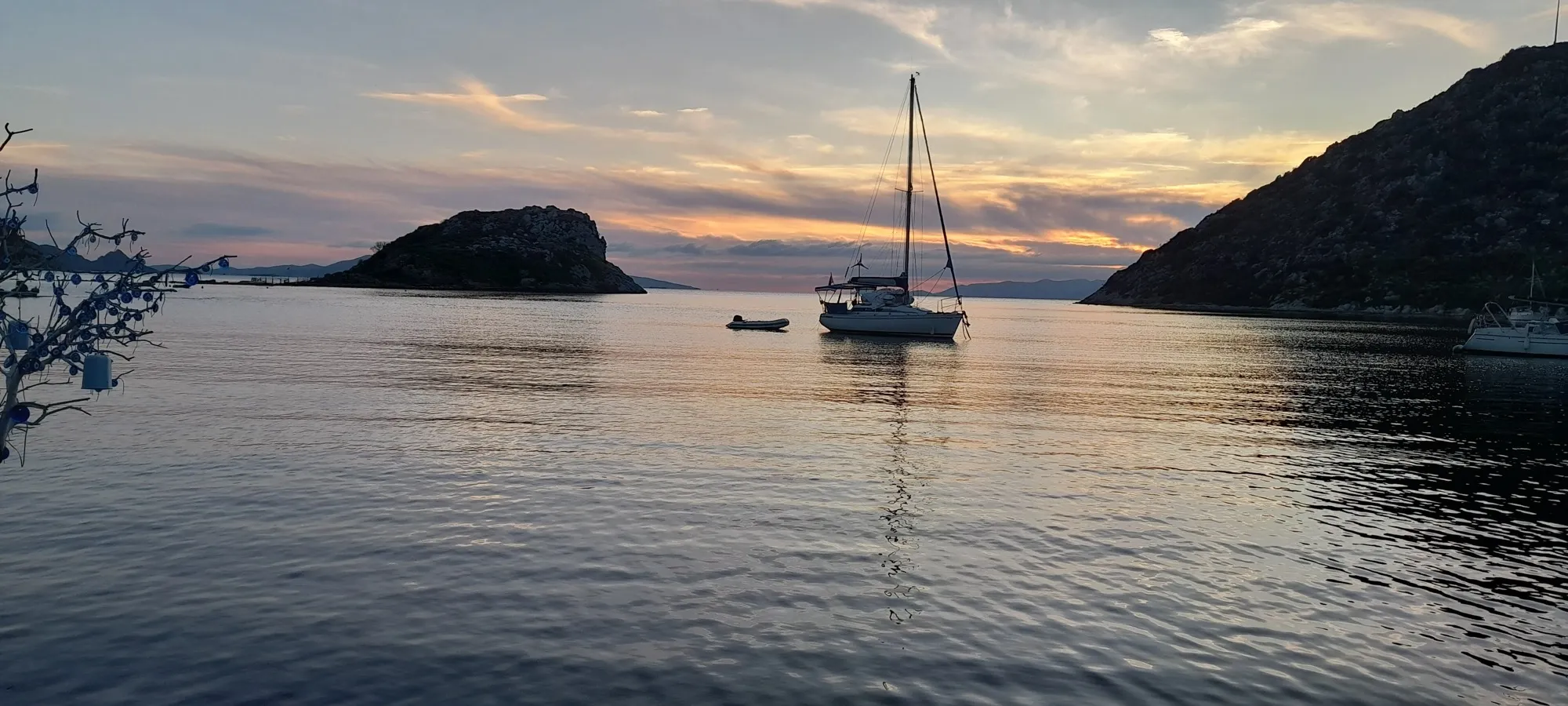
At the western tip of the peninsula, Gümüşlük sits on the site of ancient Myndos, and because the whole area is a protected archaeological zone it has kept a low-rise, unhurried feel that the rest of Bodrum has largely lost. The waterfront is lined with fish restaurants whose tables stand almost in the sea, facing Rabbit Island (Tavşan Adası), which you can reach by wading along a partly submerged stone causeway. Look into the clear water and you can spot fragments of Myndos's harbour walls.

Come in the late afternoon, swim from the small beach, then stay for the sunset and dinner. Parking at the village entrance is paid and fills up quickly in summer; regular dolmuş minibuses run from Bodrum's bus station.
Routes that stop here

More in Bodrum

Bodrum guide
Bodrum CastleMuseums & ruins

Çarşı Mahallesi, Bodrum· ₺₺

Bodrum Castle

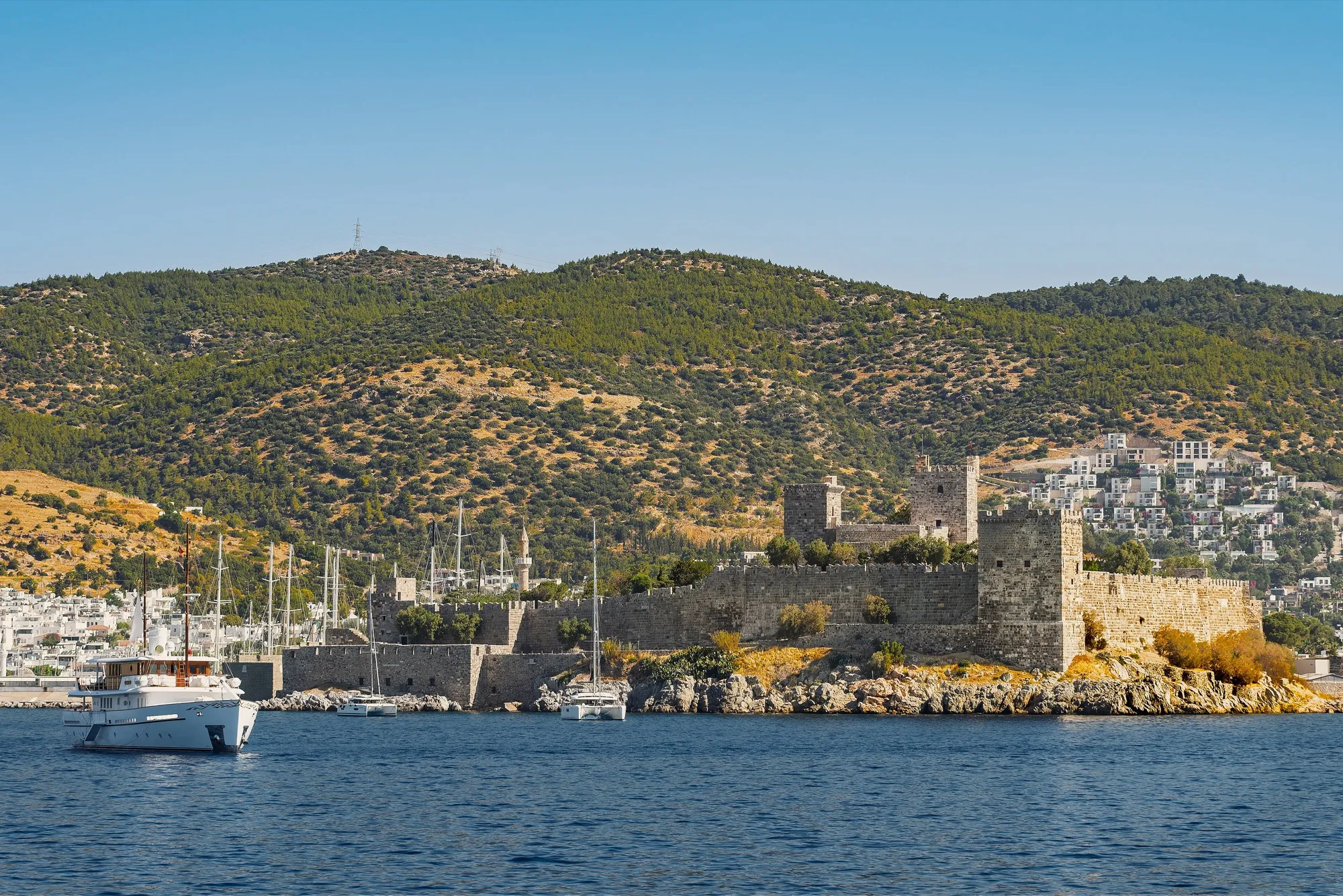
The Castle of St Peter was begun by the Knights of St John in the early 15th century on the rocky promontory between Bodrum's two bays, partly built with stone taken from the ruined Mausoleum. Its towers, named after the knights' nations (the English, French, German and Italian towers among them), now house the Museum of Underwater Archaeology. The highlights are the finds from the Uluburun wreck, a Late Bronze Age merchant ship loaded with copper ingots, glass and gold, and the reconstructed hulls of ancient and medieval ships recovered off the Turkish coast. Allow at least two to three hours, wear comfortable shoes for the steep ramps and stairs, and climb to the battlements for the classic view over the harbour and marina. Go early in summer, before the heat and the cruise-day crowds build.

Mausoleum at HalicarnassusMuseums & ruins

Tepecik Mahallesi, Bodrum· ₺

Mausoleum at Halicarnassus

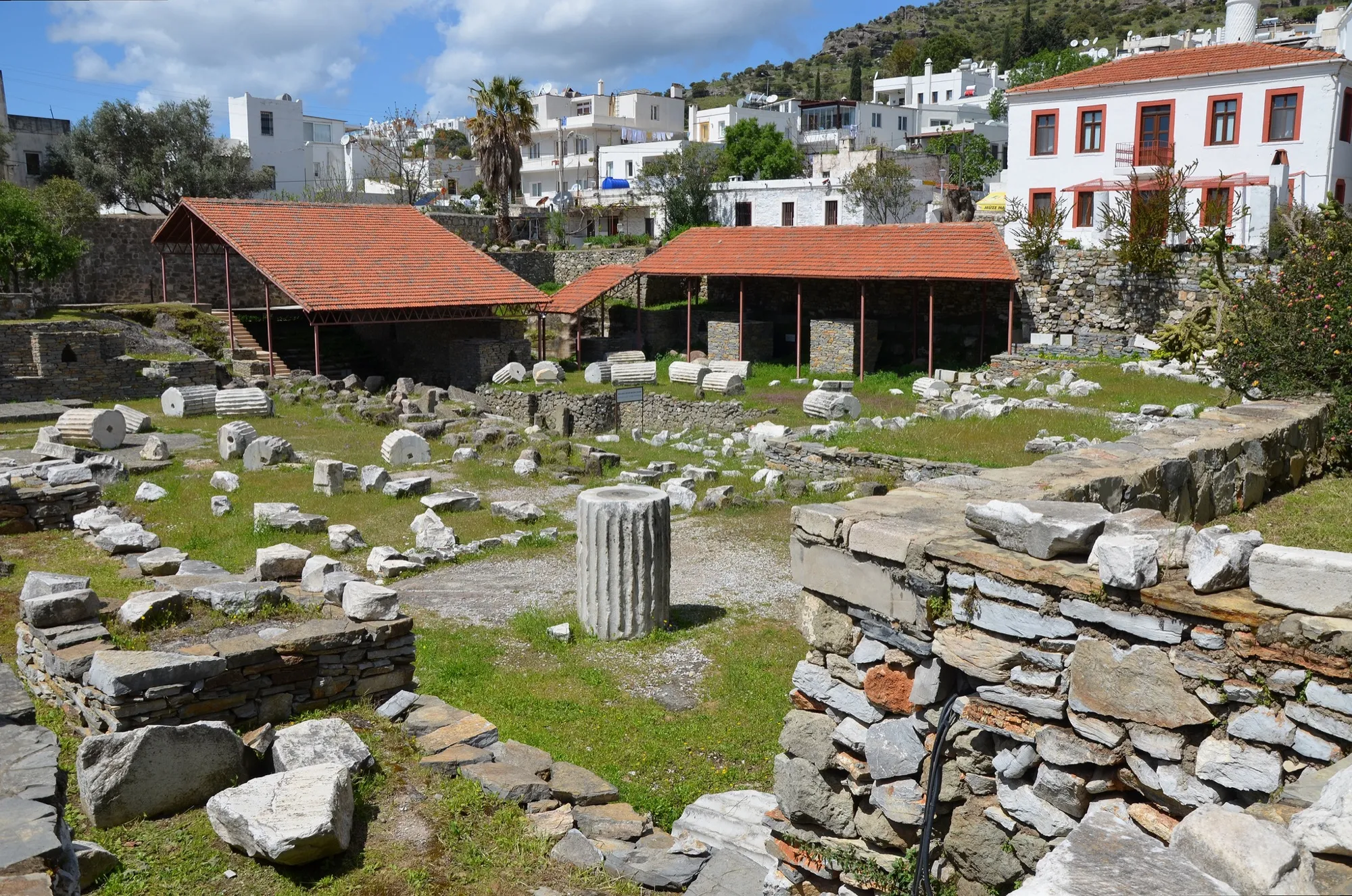
The monumental tomb of Mausolus, the 4th-century BC ruler of Caria, was counted among the Seven Wonders of the Ancient World. Earthquakes brought it down in the Middle Ages, and the Knights of St John later quarried much of what remained to build their castle; many of the surviving sculptures were taken to the British Museum in the 19th century. What you see today is the excavated foundation pit, scattered column drums and fragments, plus a small exhibition with models showing how the tomb may have looked. It takes imagination rather than time: 30 to 45 minutes is enough. Come with the castle on the same day to connect the two stories, and read the panels in the covered gallery before walking the site.

Bağla BeachBeaches

Bağla, Bodrum

Bağla Beach

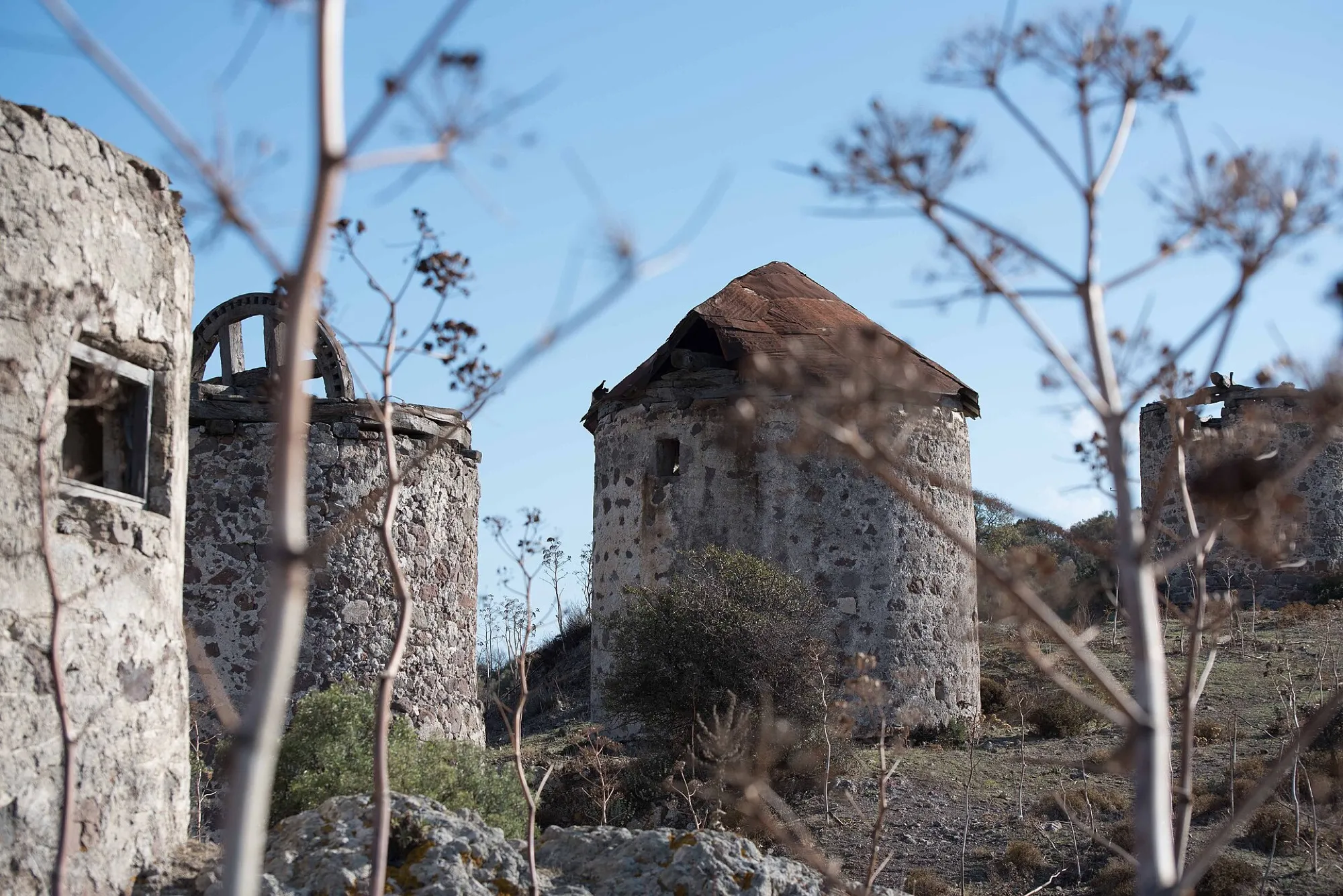
Bağla is a sheltered, south-facing bay on the peninsula's south coast, between Ortakent and Karaincir, framed by low hills dotted with old windmills. The sand shelves gently into calm, clear water, which makes it one of the better choices around Bodrum for families with small children. Most of the shore is divided between beach clubs and hotel beaches renting sunbeds and umbrellas, with simple restaurants behind them. It is quieter than Gümbet or Bitez and has a more laid-back, local feel, though weekends in July and August still get busy. Dolmuş minibuses run from Bodrum's bus station in summer; the drive takes around 30 minutes.

Bodrum Ancient TheatreSights

Kıbrıs Şehitleri Caddesi, Bodrum

Bodrum Ancient Theatre

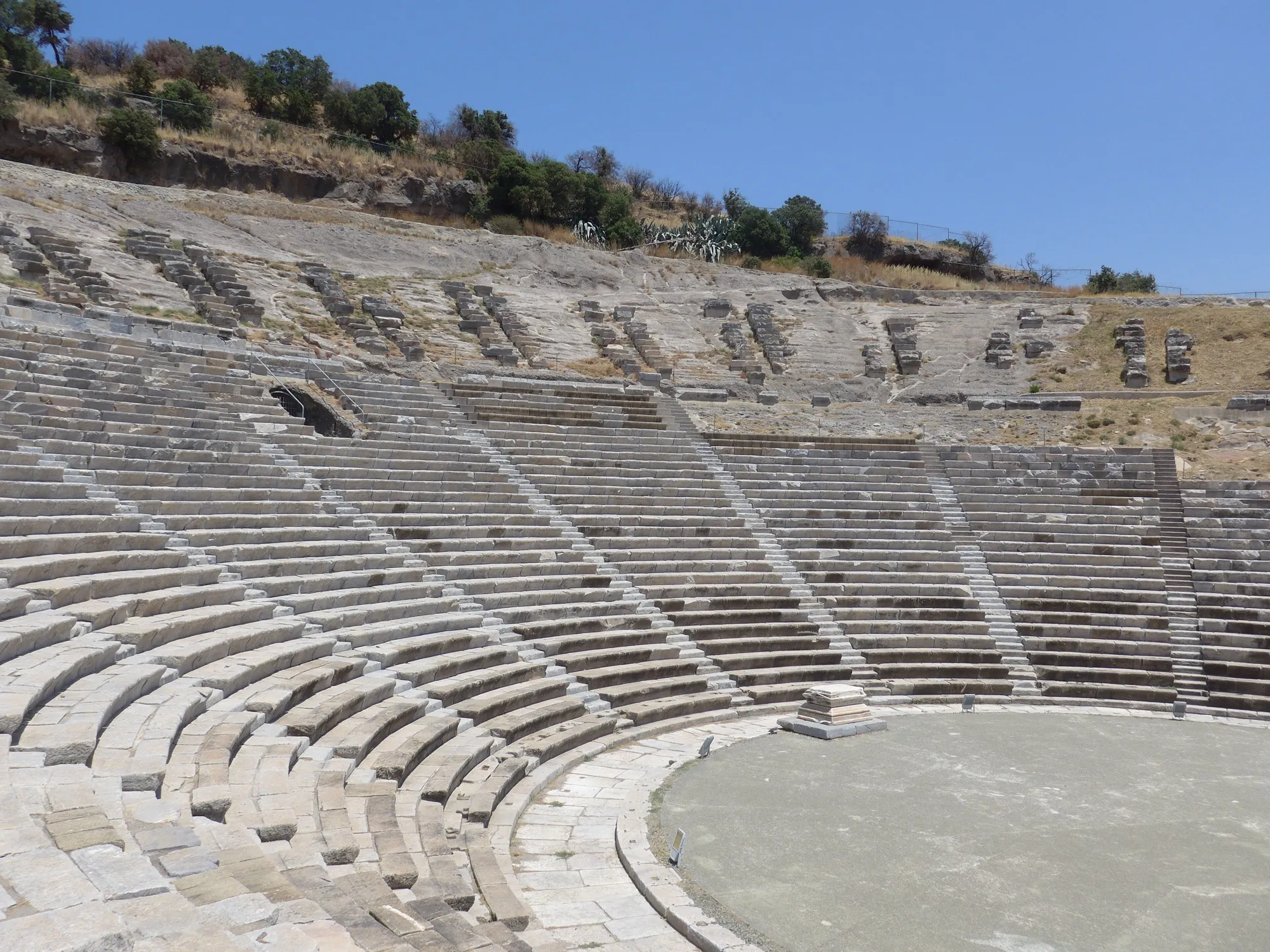
Cut into the slope of Göktepe above the town, Halicarnassus's theatre dates from the 4th century BC, the time of Mausolus, and was enlarged in the Roman period. Restored rows of limestone seating face south over the rooftops to the castle and the bay, giving one of the best overviews of how ancient and modern Bodrum fit together. In summer the theatre is used again for concerts and performances. It sits right beside the busy Bodrum–Gümbet main road, so it is easy to reach on foot from the centre (a short uphill walk) or by any dolmuş heading towards Gümbet and Turgutreis. Late afternoon light is the most flattering for photos.