Skip to content
Best Places in Türkiye

Press Esc to close

Museums & ruins

Termessos

Antalya· Güllük Dağı–Termessos National Park, Döşemealtı, Antalya

Get directions
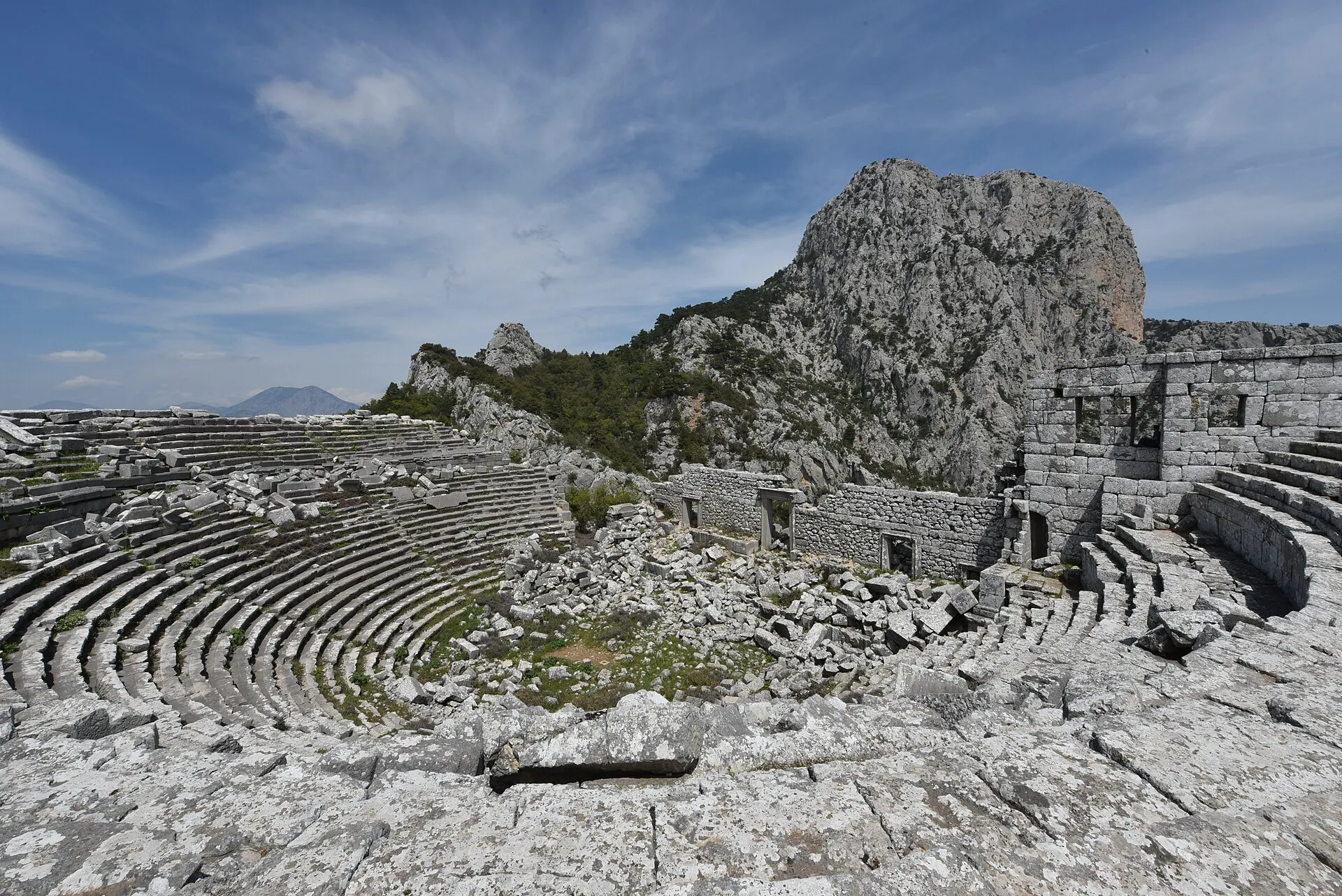
Termessos, AntalyaPhoto: 7oanna / Wikimedia Commons, CC BY-SA 4.0

About

High in the mountains west of Antalya, Termessos was a Pisidian stronghold so well defended that Alexander the Great chose not to besiege it. The ruins are scattered across a forested ridge inside the Güllük Dağı–Termessos National Park, and they feel wild and unrestored: tombs tumbled by earthquakes, cisterns, a gymnasium and, above all, a theatre perched on the edge of a cliff with views across the peaks.

Reaching the site takes effort. From the car park it is a steep, rocky climb of around half an hour to the theatre, and longer to explore the necropolis beyond. Wear sturdy shoes, carry water and avoid the midday heat in summer. There is no public transport to speak of, so come by car, taxi or tour.
Routes that stop here

More in Antalya

Antalya guide
Aspendos TheatreMuseums & ruins

Belkıs, Serik, Antalya· ₺₺

Aspendos Theatre

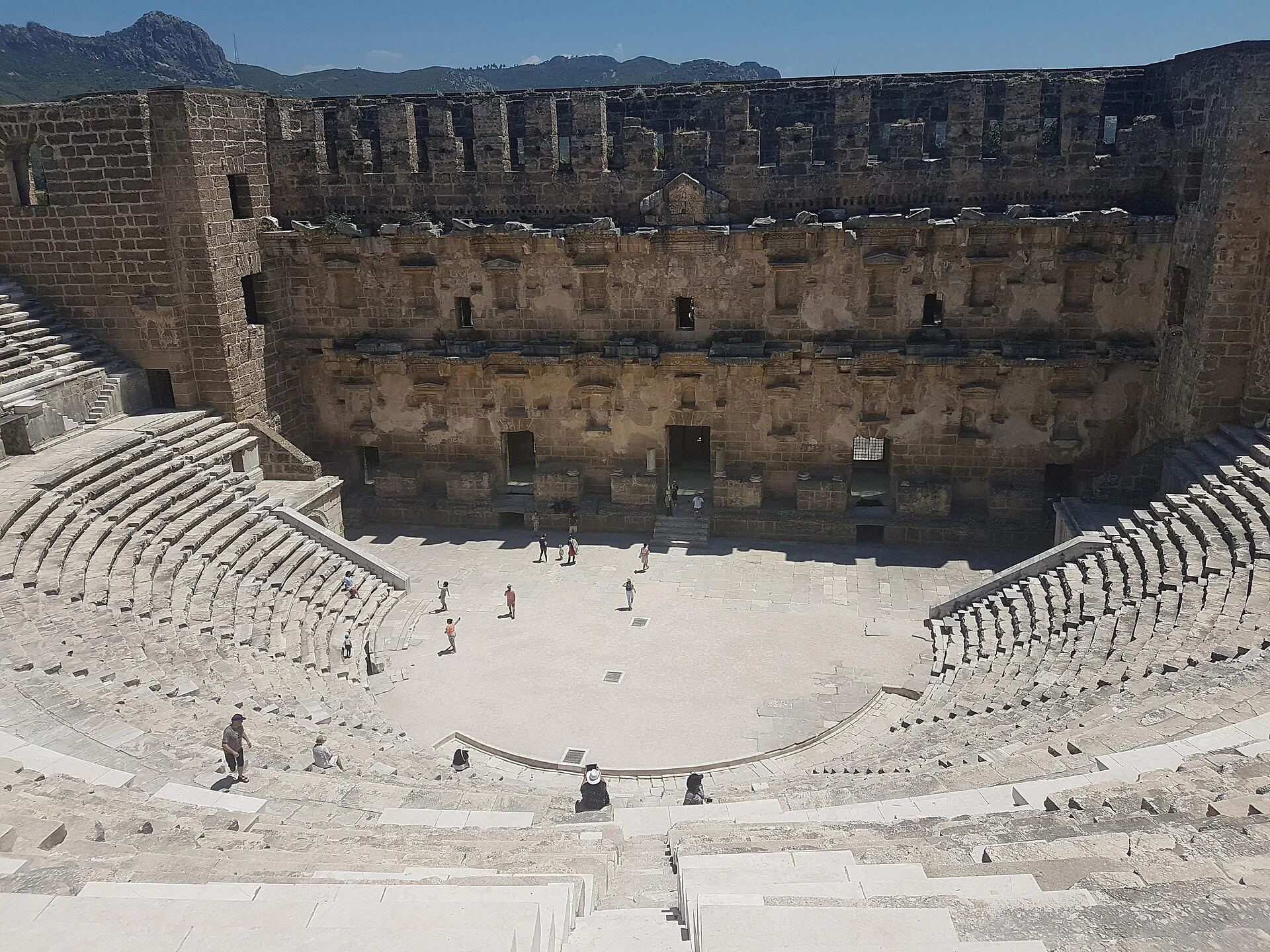
The theatre at Aspendos is the best-preserved Roman theatre in the ancient world. Built in the 2nd century AD during the reign of Marcus Aurelius, it survived largely intact because the Seljuks used it as a caravanserai, and its tall stage building, steep rows of seating and arched upper gallery are all still standing. The acoustics are good enough that it is still used for occasional concerts and performances. Aspendos lies about 45 km east of Antalya, near Serik. After the theatre, follow the path up the hill behind it to the scant remains of the ancient city and a view of the long Roman aqueduct across the plain. Go early or late in the day: there is little shade, and the tour buses arrive mid-morning.

Kaleiçi Old TownSights

Kaleiçi, Muratpaşa

Kaleiçi Old Town

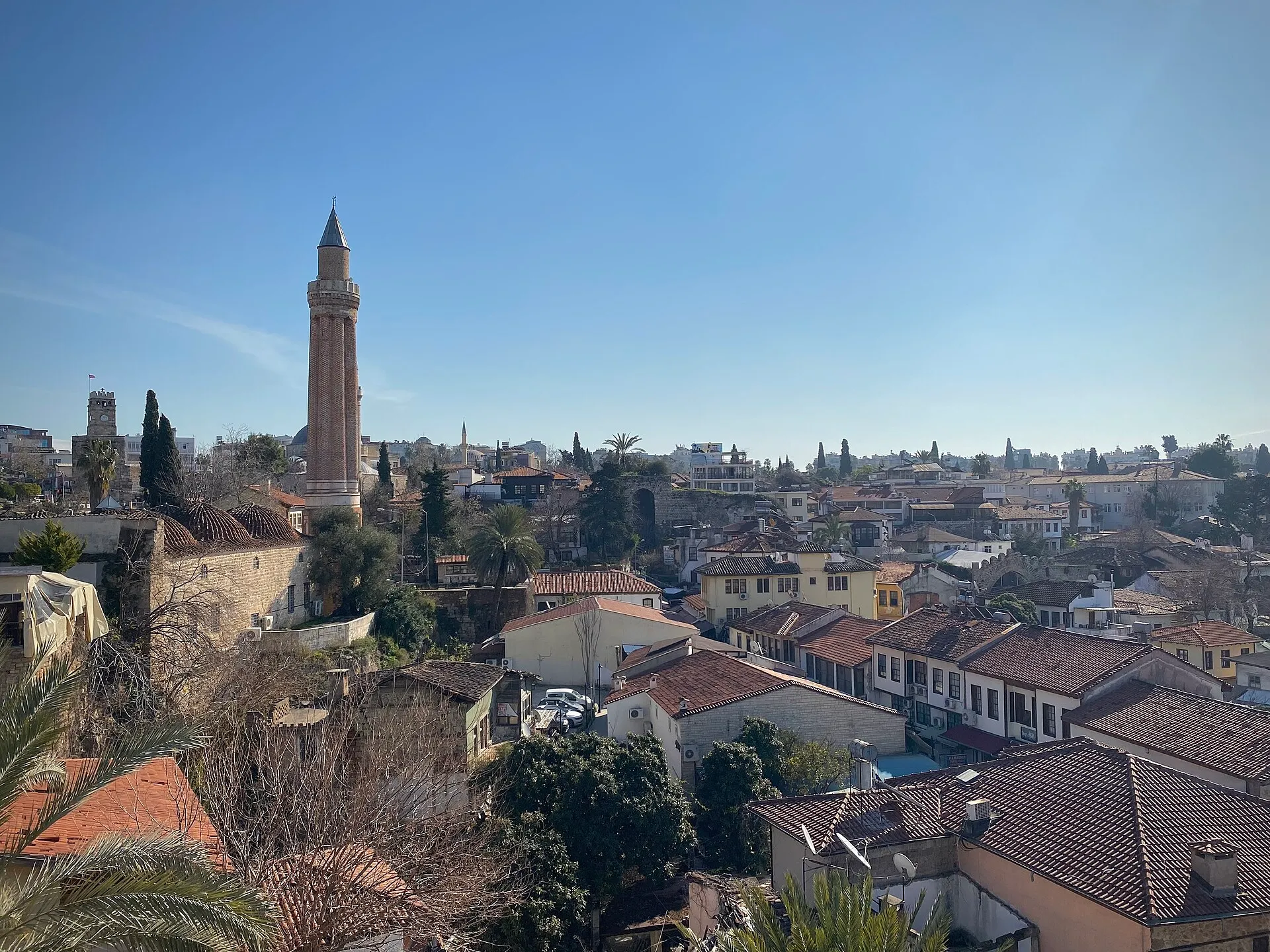
Kaleiçi ("inside the castle") is Antalya's walled old town, a compact maze of lanes running downhill from Hadrian's Gate to the old Roman harbour. Restored Ottoman houses with overhanging timber upper floors now hold guesthouses, cafés and galleries, and landmarks from every era sit side by side: the 13th-century Seljuk Yivli Minare (fluted minaret), the Kesik Minare (broken minaret) on a former church, and the Hıdırlık Tower on the cliffs above the sea. It is easy to cover the whole quarter on foot in a morning, but it is at its best in the late afternoon and evening, when the heat eases and the harbour lights come on. The lanes are steep and cobbled, so wear proper shoes. The small Suna & İnan Kıraç Kaleiçi Museum, in a restored mansion and a former Greek church, is worth a short visit.

Konyaaltı BeachBeaches

Konyaaltı

Konyaaltı Beach

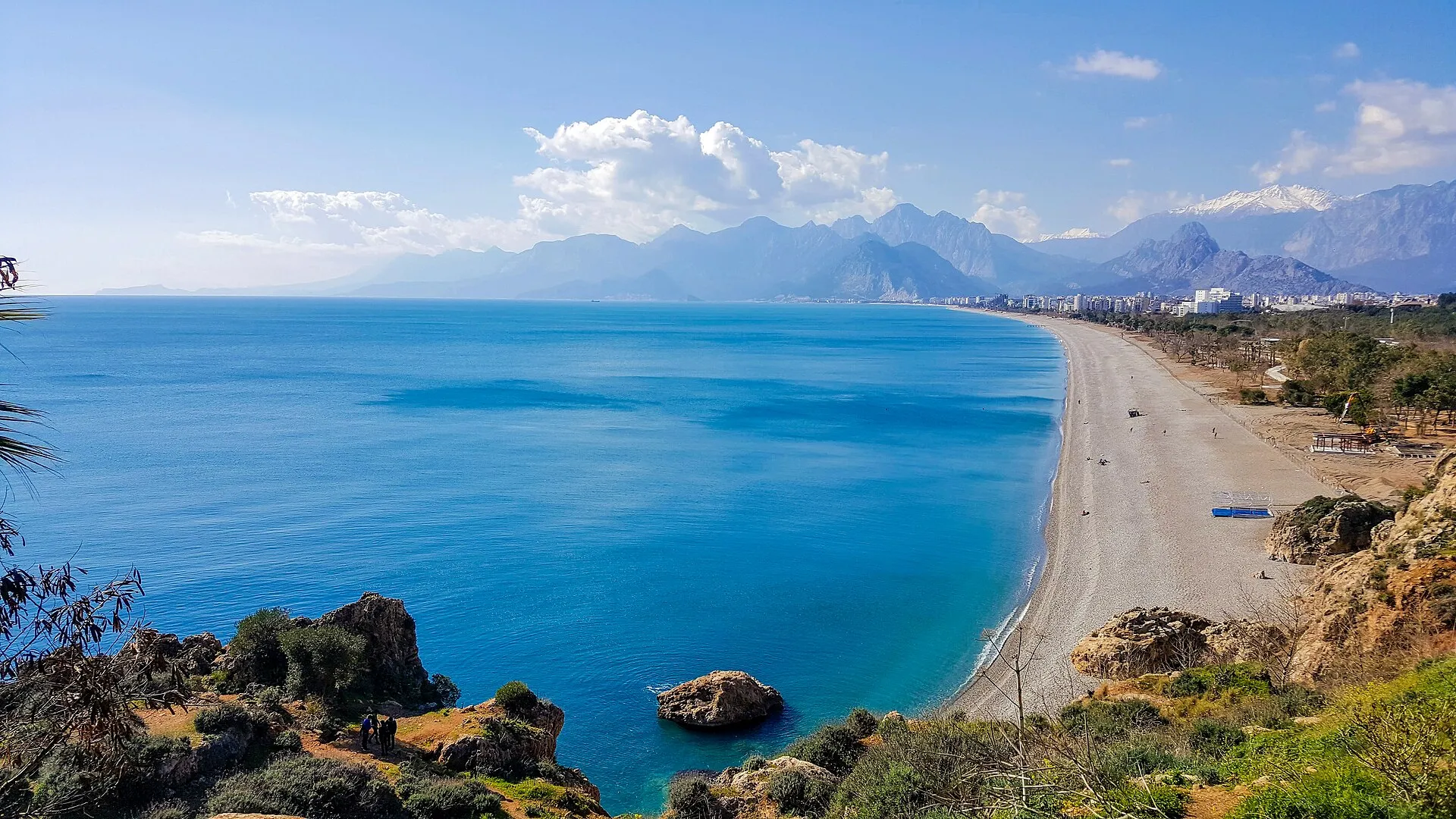
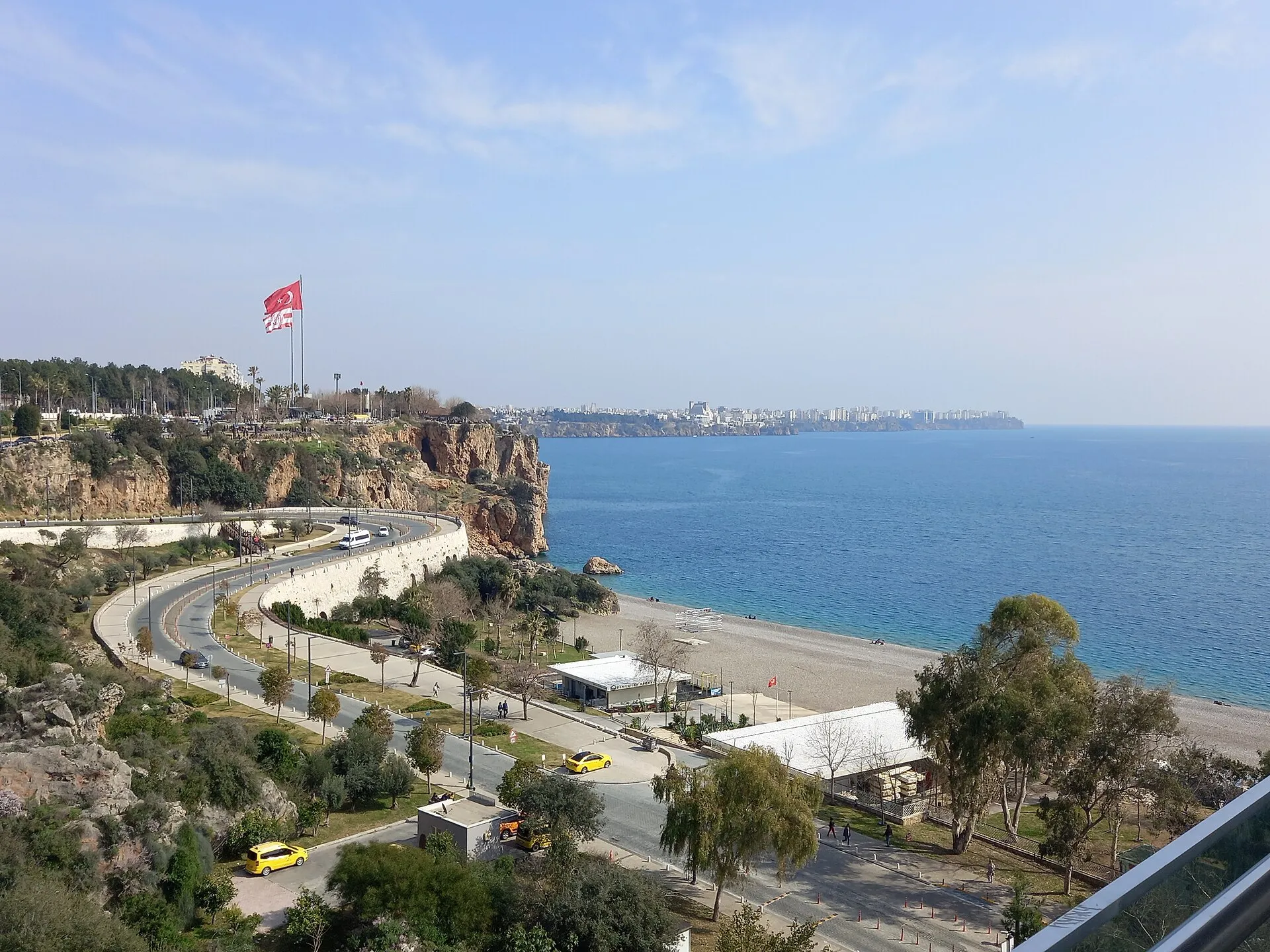
Konyaaltı is Antalya's city beach: a long sweep of pebbles and coarse sand curving west from the cliffs below the centre, with the Beydağları mountains rising behind it. A broad seafront park runs the length of the beach, with cycle paths, playgrounds, cafés and beach clubs that rent sunloungers and umbrellas, while plenty of stretches remain free for anyone to lay down a towel. The water deepens quickly and is usually clear, which makes it good for swimming. The eastern end is the easiest to reach from Kaleiçi by tram, taxi or the lift down from the clifftop park. Stay for sunset, when the light catches the mountains across the bay.

7 MehmetFood & drink

Atatürk Kültür Parkı, Konyaaltı· ₺₺₺

7 Mehmet

Founded in 1937 and run by three generations of the Akdağ family, 7 Mehmet is Antalya's best-known restaurant, set in the green Atatürk Kültür Parkı above the eastern end of Konyaaltı Beach. The kitchen sticks to Turkish and Mediterranean classics done well: meze built around local produce, grilled fish, slow-roasted kid and grouper, and a much-loved candied pumpkin dessert. The terrace has views towards the sea and the mountains, and it is the place locals choose for family celebrations, so book ahead for dinner and on weekends. It sits a short taxi ride west of Kaleiçi, which makes it an easy pairing with an afternoon on Konyaaltı Beach.